Ultraviolet and visible spectroscopy
UV-Vis
- Useful for molecules with double or triple bonds.
- Conjugated double bonds shift absorption toward the visible. That is what makes a solution colored.
- Transition metals absorb light very strongly.
- Color can be calculated from the spectrum as L*a*b* values.
- HPLC-UV and HPLC-DAD are the most common UV-Vis applications overall, mostly in the lab.
Applications
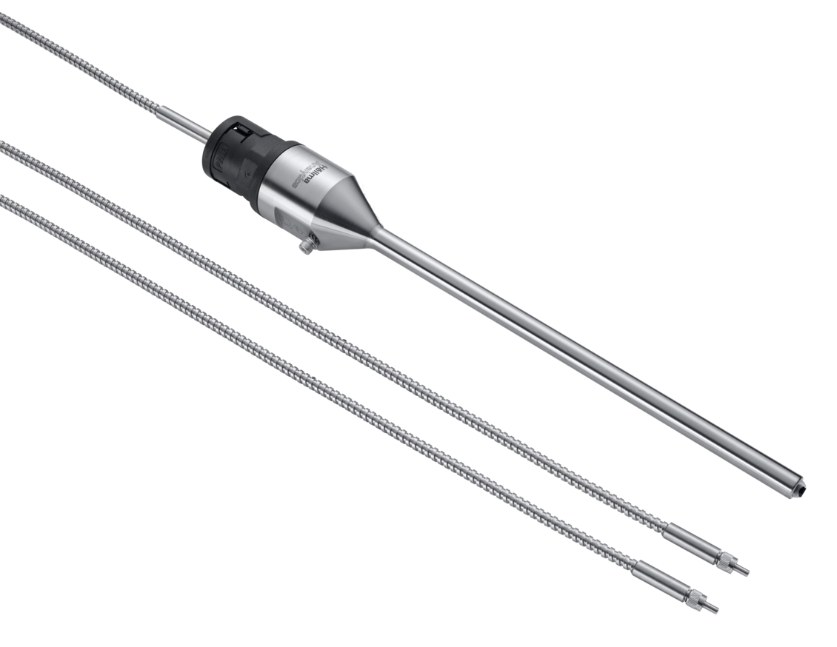 Image P7
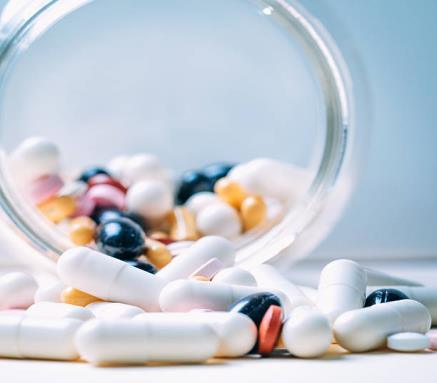 UV-VisTablet dissolution testingAutomated drug-release tests with immersion probes, without sampling.Read
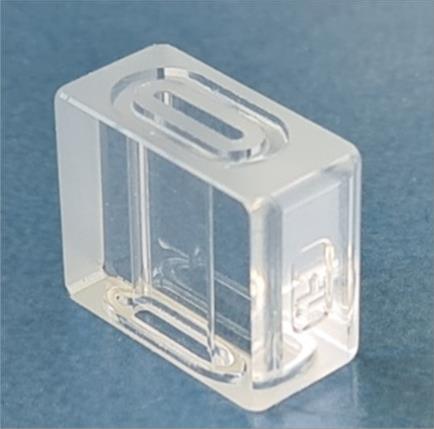 UV-VisCase studySingle-use UV flow cell, with SartoriusA cast quartz flow cell for the BioPAT® Spectro UV single-use sensor.Read
 UV-VisPurification: end point by a markerFollow an invisible impurity through one the UV can see.Read UV-VisWhiskey maturing in the barrelMeasure what the wood adds, right in the barrel.Read UV-VisFruit sortingLight scattered off the fruit reveals what the eye can't see.Read UV-VisWater and wastewater monitoringNitrates, sulfates, H₂S and impurities.Read