The task
The pharmacopoeias (EP, USP, JP) prescribe the procedure: six tablets, several test intervals. Manual sampling, filtering and photometry are labor-intensive and prone to error, and new dosage forms keep adding samples.
Measured in the vessel
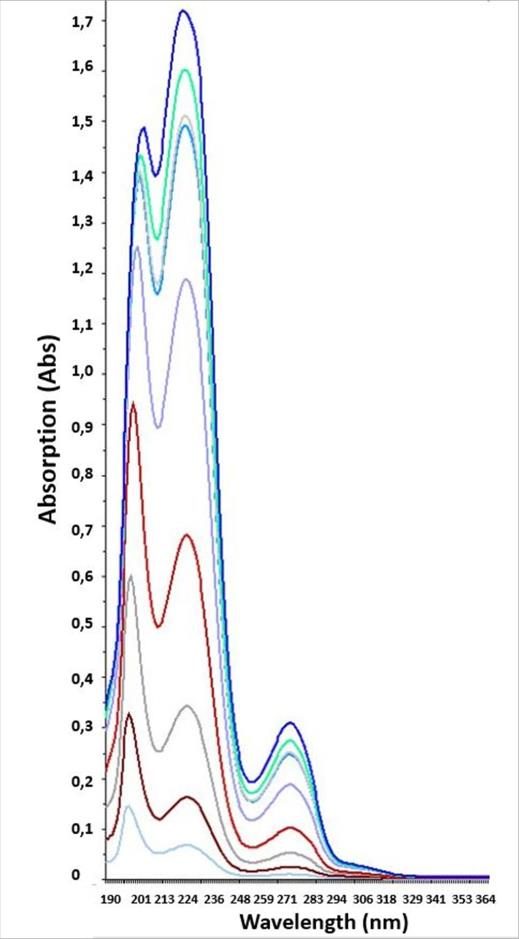
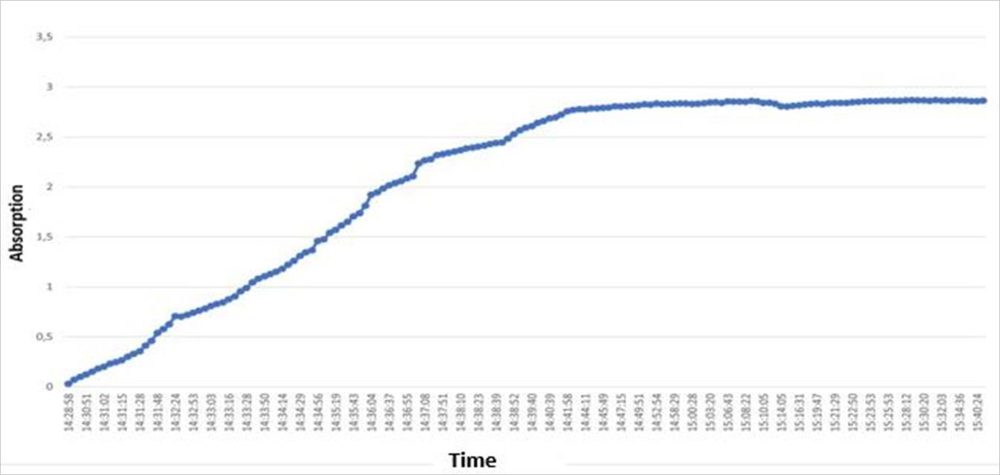
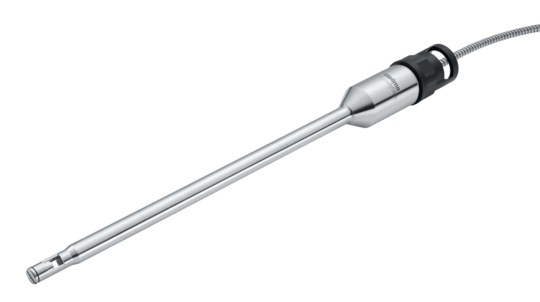
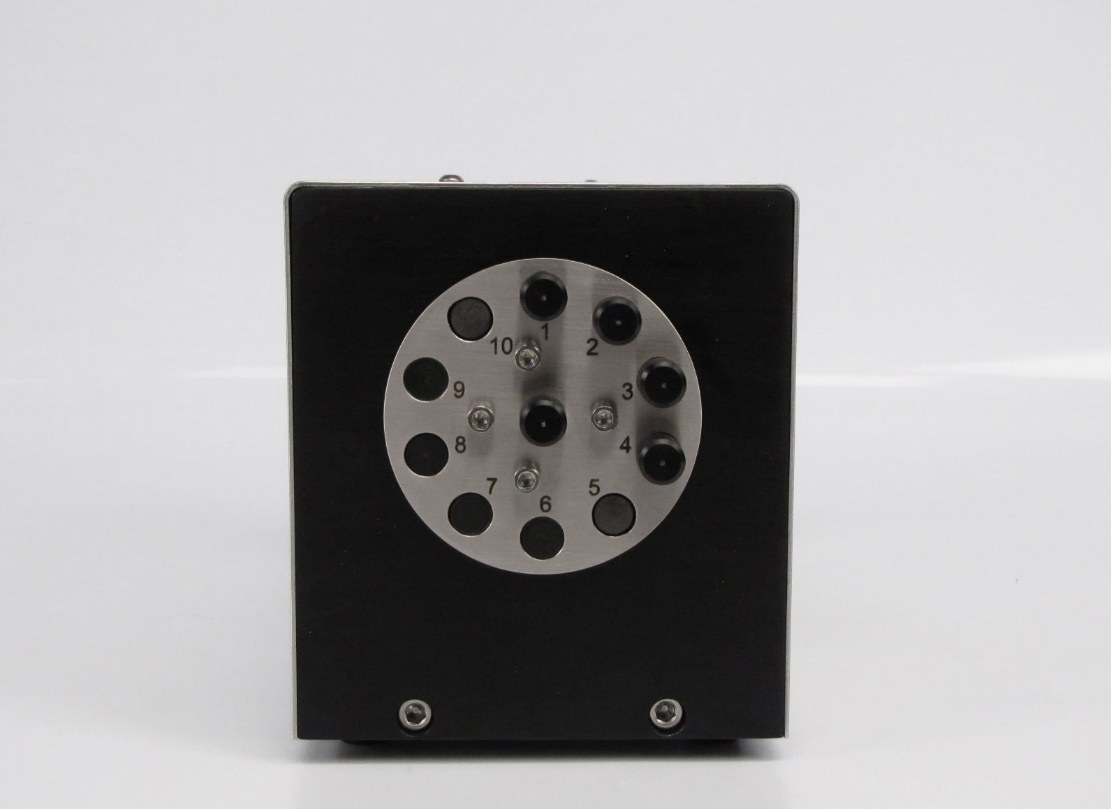
Probes connected to a spectrometer by optical fibers sit in the paddle stirrer next to the dissolving tablet. As the active ingredient dissolves, its absorption rises until the tablet has fully dissolved and the curve levels off. With several vessels, a multiplexer connects all probes to one spectrometer.
Faster with robotics
A robotic arm can move the probe from vessel to vessel, rinsing and drying it in between, for very short measurement intervals.
Which probe
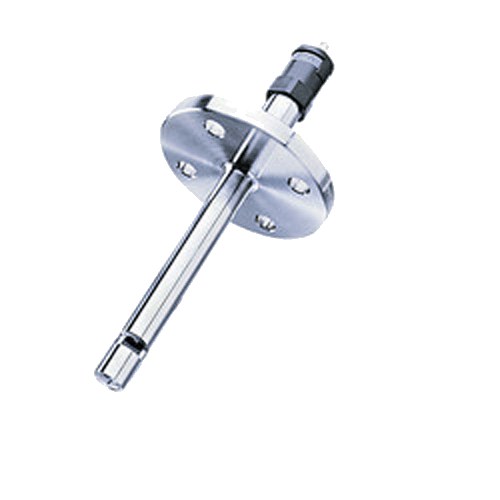
The Excalibur Lab, with its monolithic quartz measuring head, has proven itself here. For narrow vessels with small lids, the slim Falcata Lab with interchangeable path-length tips fits better.
Why it pays
Unlike HPLC, no filters, tubing or consumables are needed, and rinsing and drying the probe avoids carryover between samples.