Probes & flow cells
Hellma process interfaces bring the light path into the process: immersion probes for vessels and pipes, flow cells for sample streams. Choose by measurement principle first, then by temperature, pressure and materials.
Excalibur
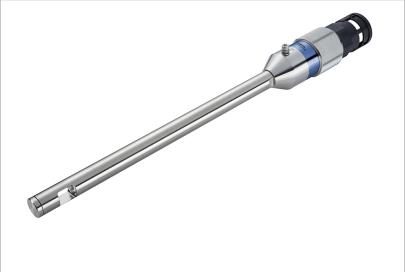
Transmission probes and flow cells. The measuring gap works like the path length of a cuvette. Standard ratings reach 400 °C (752 °F) and 250 bar* (3630 psi), and the HY 25 is 3-A certified for hygienic processes.
*Higher pressures are possible but cannot be certified because of testing limitations.
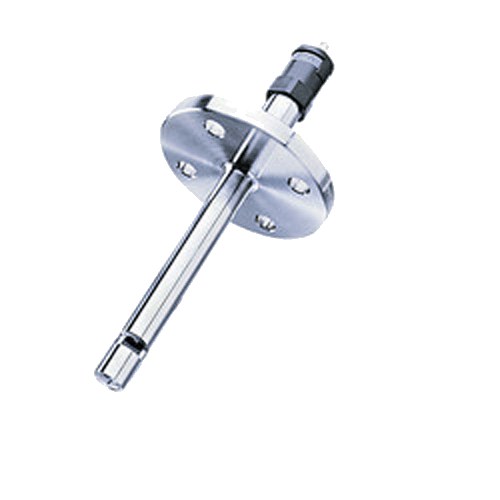 Image P1
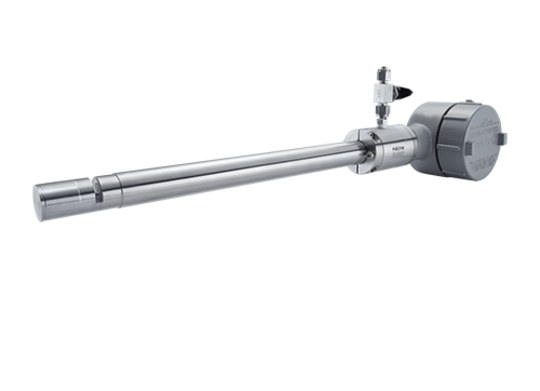 Image P2
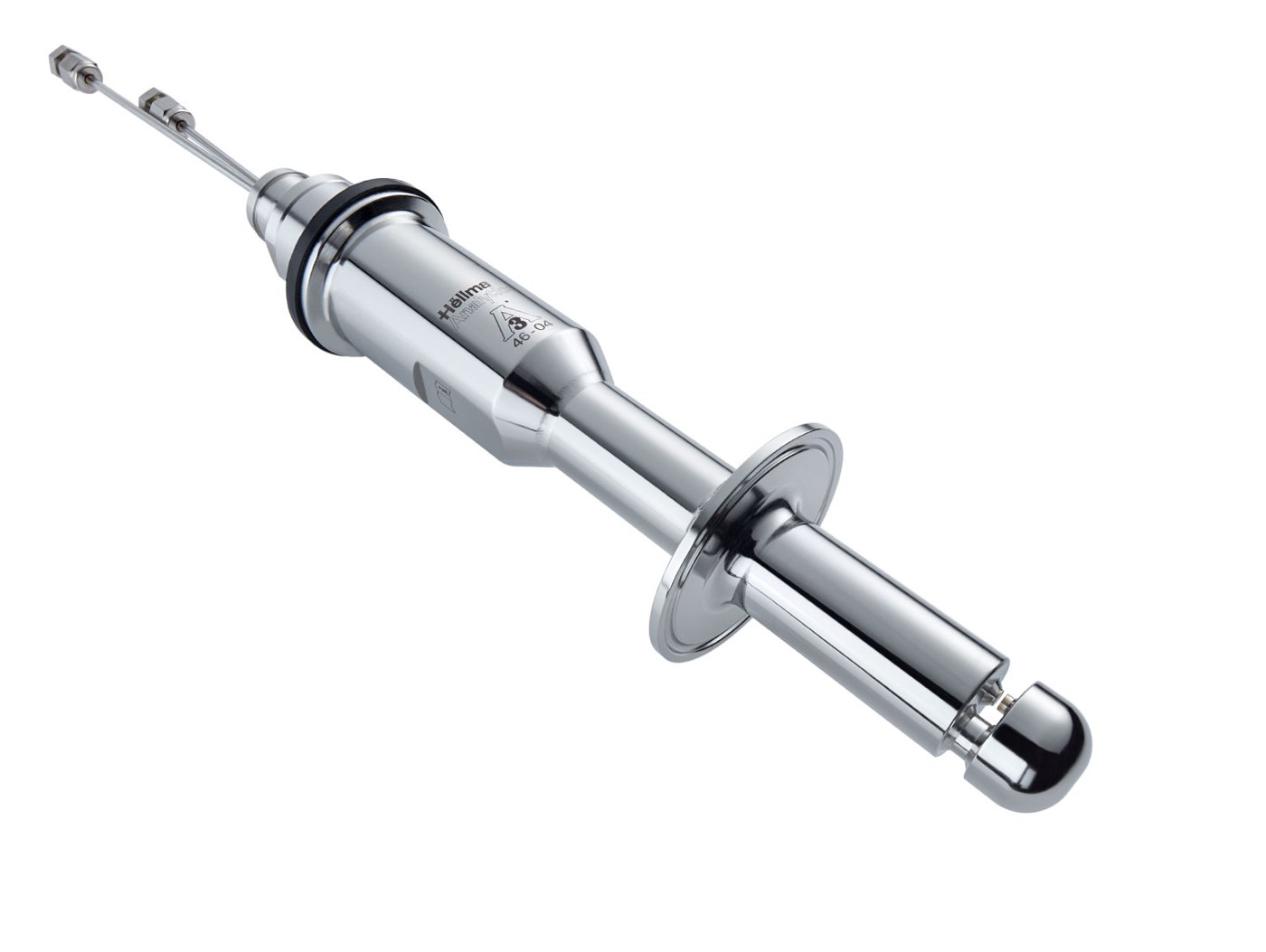 Image P18
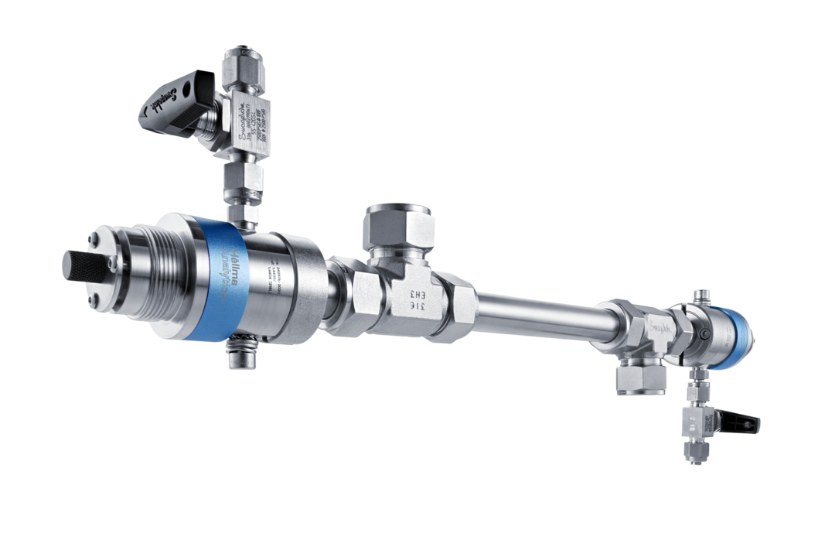 Image P3
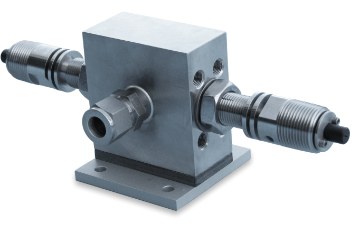 Image P4
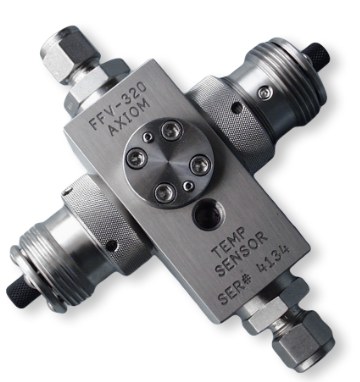 Image P5
Falcata
Transflection probes. Light crosses the sample, reflects off a mirror and crosses it again. Brazed versions reach 300 °C (572 °F) and 300 bar (4350 psi).
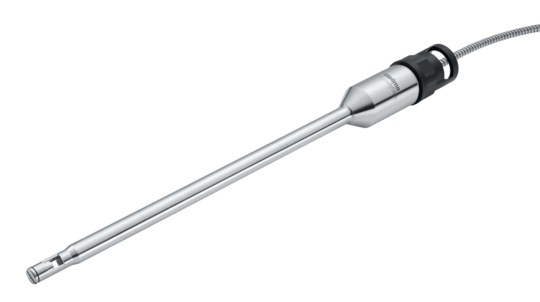
Katana
ATR probes with a three-bounce sapphire element, for an extremely short path length. Brazed versions reach 300 °C (572 °F) and 100 bar (1450 psi).
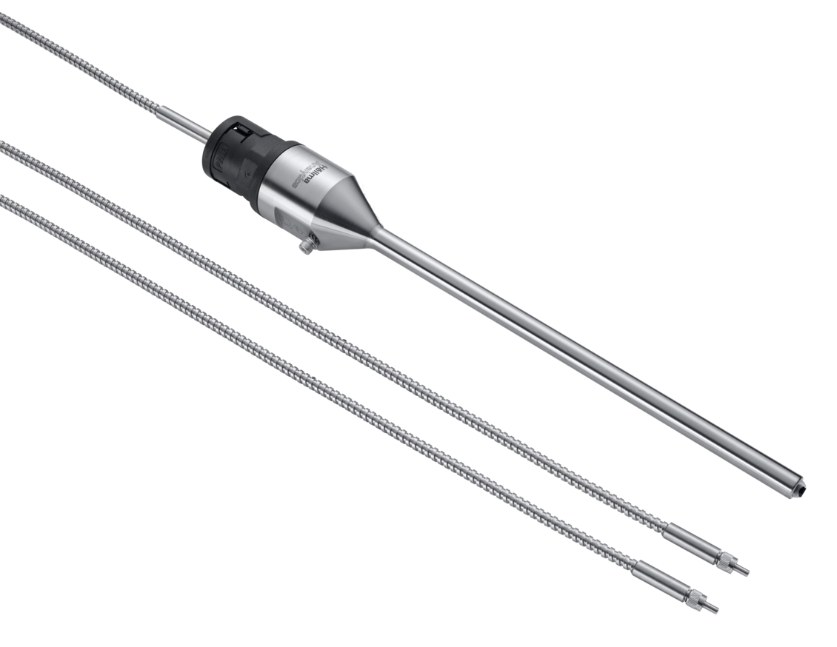
Gladius
Reflection probes that collect diffusely reflected light, in contact or at a distance. Brazed versions reach 300 °C (572 °F) and 100 bar (1450 psi).
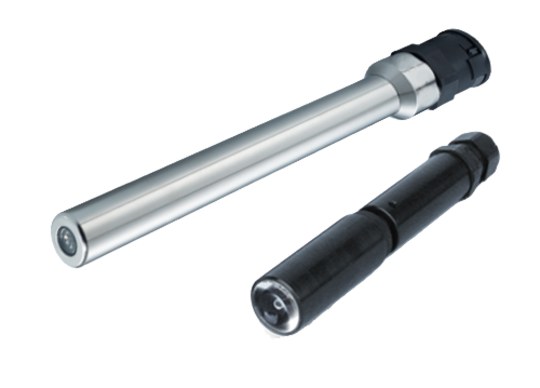
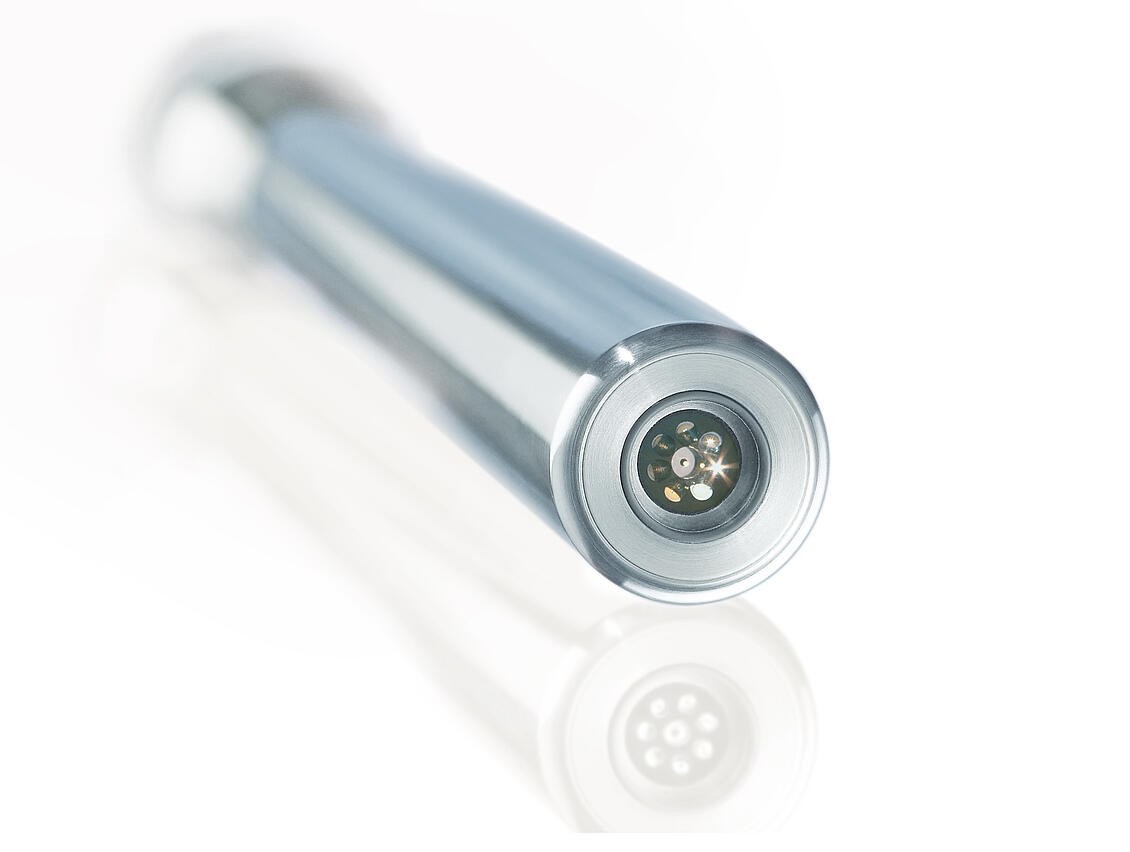
Polymer extruder probes
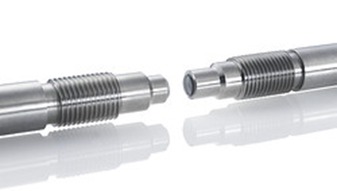
Custom-built probe pairs that thread into standard melt-pressure ports on polymer extruders, for transmission or diffuse reflection. Rated up to 300 °C (572 °F) and 750 bar (10880 psi).
Espada
Fluorescence probes for liquids in the UV/VIS range, with quartz glass optics.
Tidus
Raman probes with exchangeable optics and filters, optimized for maximum Raman signal. The Tidus Lumio adds an integrated laser and an ATEX-compliant version.