Why not gas chromatography
GC separates many components and traces, but carrier and calibration gases make it expensive, and the lag between sampling and result means deviations are found late.
Hard conditions
Pipelines run at around 80 bar (1160 psi) to raise energy density, so the measurement has to withstand the pressure. Because the gas is explosive, laser power is strictly limited, and detection has to be sensitive enough to work with little of it.
Raman in the pipeline
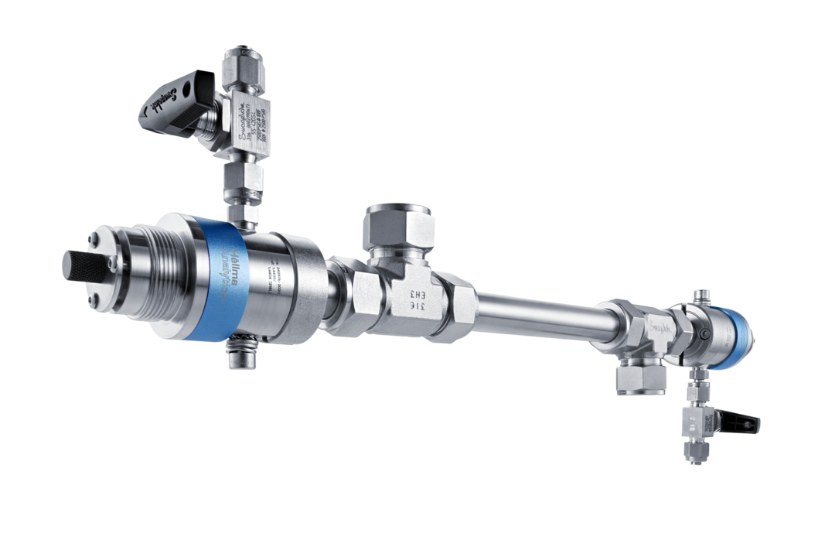
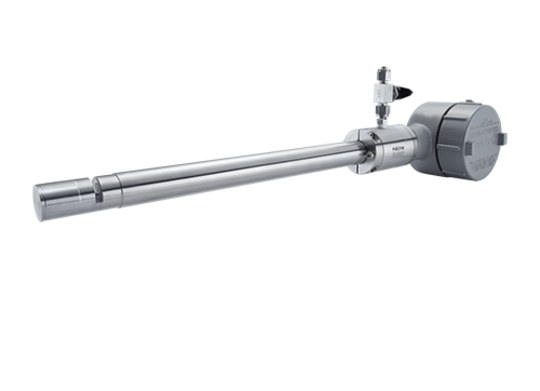
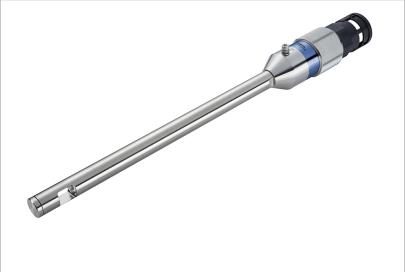
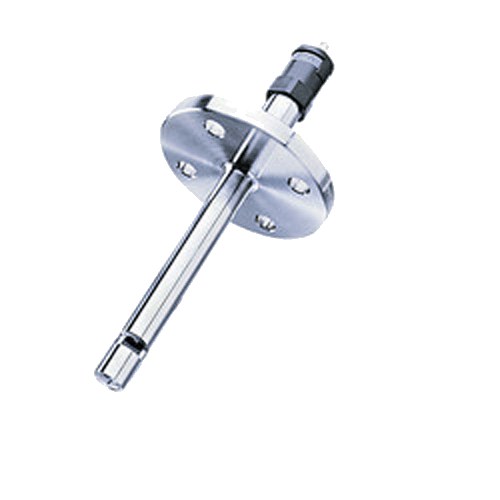
The Tidus Flex Gas probe connects by optical fibers to a standard Raman spectrometer with a temperature-stabilized 785 nm laser. Keeping the spectrometer away from the probe allows ATEX-compliant operation. A special reflector boosts the Raman signal for low gas concentrations, and the system reports each gas concentration every minute.
Raman and NIR together
Raman tells the hydrocarbons apart even at low concentrations, and it sees oxygen and nitrogen, which NIR cannot. NIR absorption complements it for the hydrocarbons, CO₂ and H₂S. The same Raman approach works for biogas and biomethane before feed-in.