The process
Formaldehyde is first converted to trioxane, purified and depolymerized again, then polymerized with an amine catalyst at low temperature. That needs very pure starting material and the complete exclusion of water.
The problem
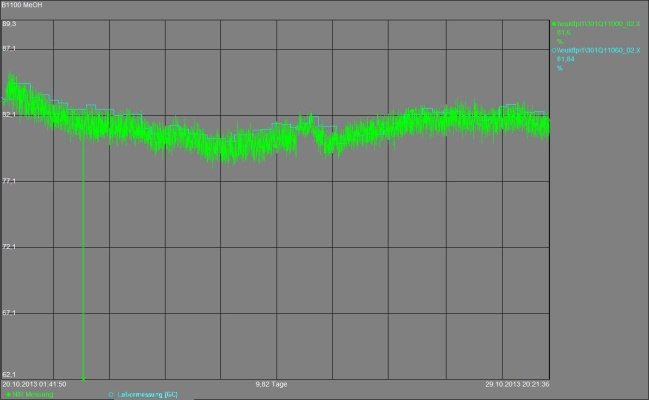
Methanol was checked by gas chromatography several times a day. With transport to the lab, a result took about 45 minutes while the reaction carried on. A wrong composition can trigger unwanted polymerization, downtime and damage worth millions, at outputs of up to 300 tonnes a day.
The solution
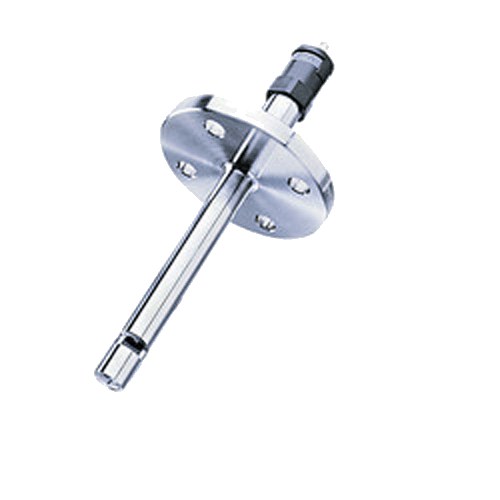
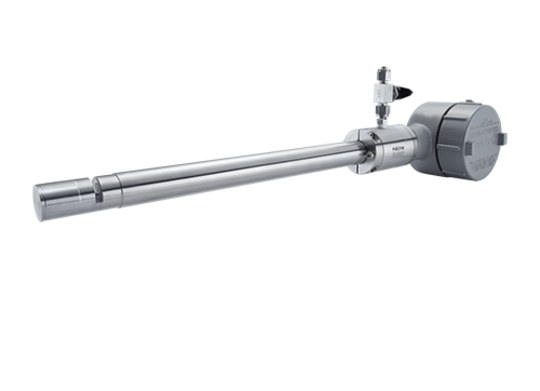
Optical immersion probes and an NIR spectrometer (800–2,500 nm) record the composition every few seconds or minutes, visible directly in the control room. A sieve around the measuring head, in the wake of the flow, steers solid clumps around the optics. Lab GC checks continue at intervals as an extra safeguard.