Sensitive chemistry
Polyol synthesis reacts to swings in temperature, pressure and reaction time. Raw-material variations and side reactions show up as color deviations or uneven viscosity, and lab samples come back too late to steer the batch.
A probe for 400 °C (752 °F)
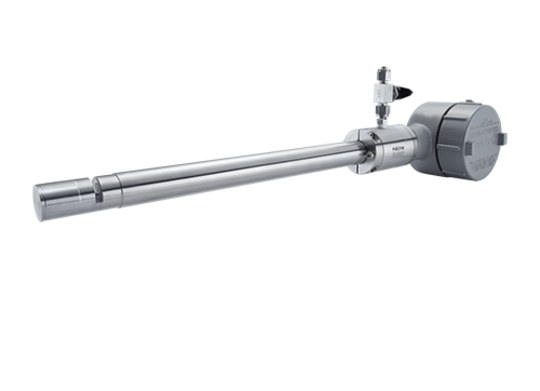
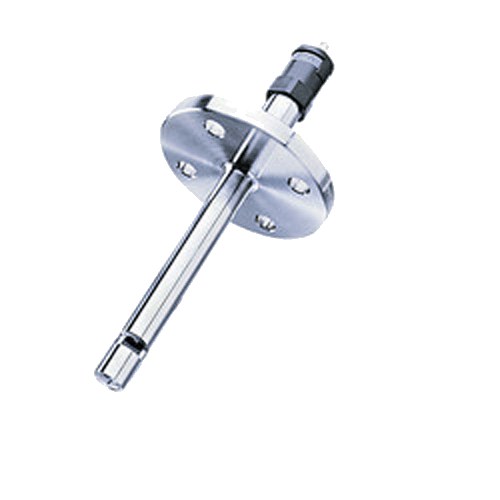
The Excalibur HD FPT probe uses metal seals, a sapphire window and light guides in place of internal optical fibers, so it measures reliably at the 400 °C (752 °F) this process needs. The wear-free seals make it maintenance-free.
From spectra to numbers
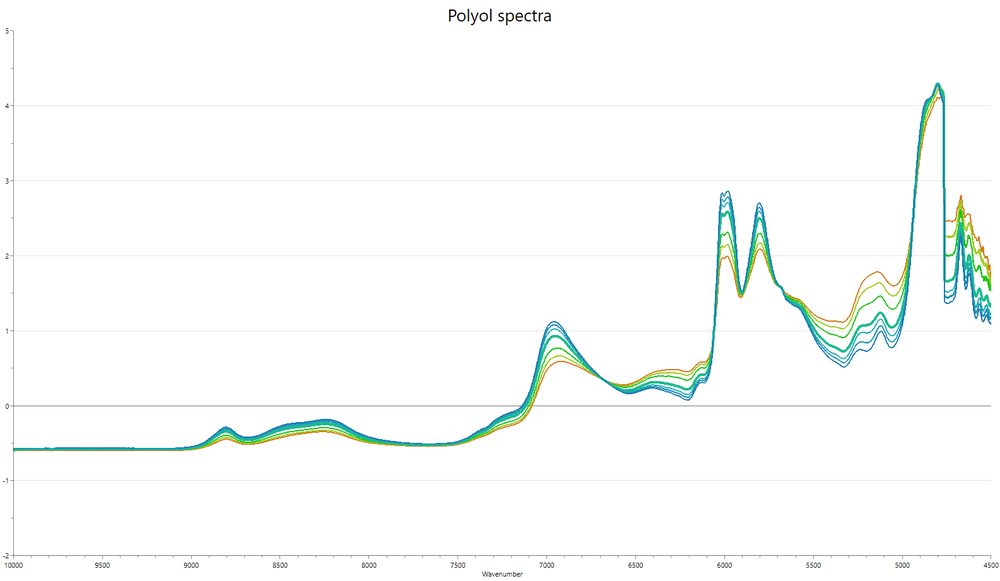
Hellma Solutions tests process samples in its application lab, pre-processes the spectra mathematically to remove unrelated variation, and builds a validated chemometric model for each parameter.
More polyols
The term also covers sugar alcohols, made by hydrogenating sugars, where NIR follows the same kinds of parameters.