The process
In the second reactor, a 1:1 water–styrene mixture is heated to 90 °C (194 °F) and stirred so the monomer forms beads. At 70–75 % conversion the temperature rises to 123 °C (253 °F) and calcium phosphate keeps the beads from sticking. The batch takes four hours; later, pentane and steam expand the beads up to 50 times.
Why the end point matters
Miss it, and the beads clump into a large ball that blocks the reactor outlet, or even the whole plant, and the cleanup costs a six-figure sum. Until now, operators pulled samples and judged bead size against a light beam.
Measured in the reactor
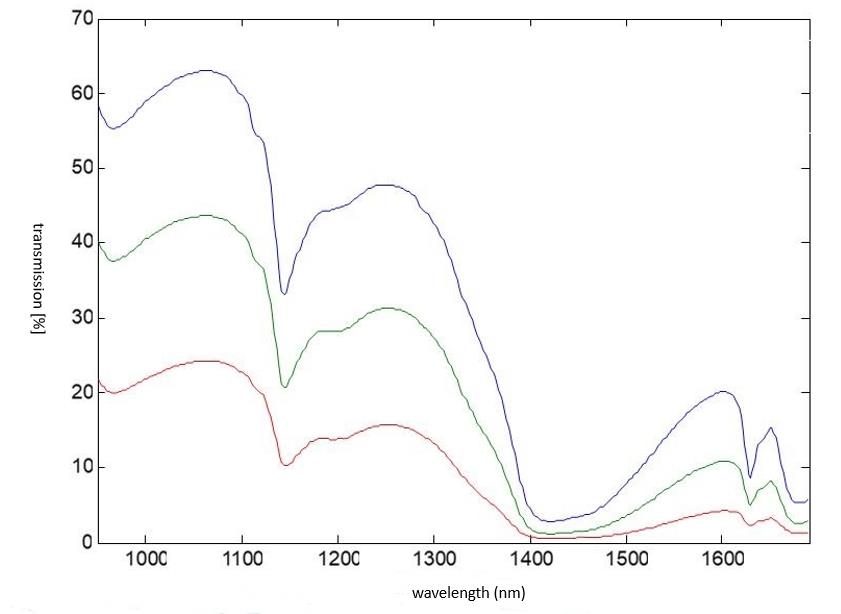
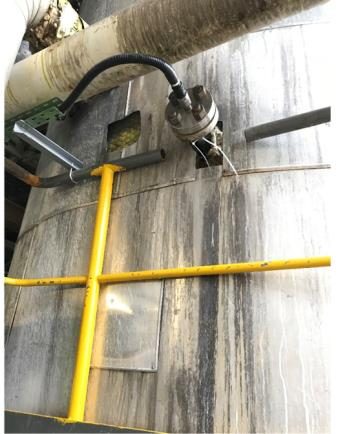
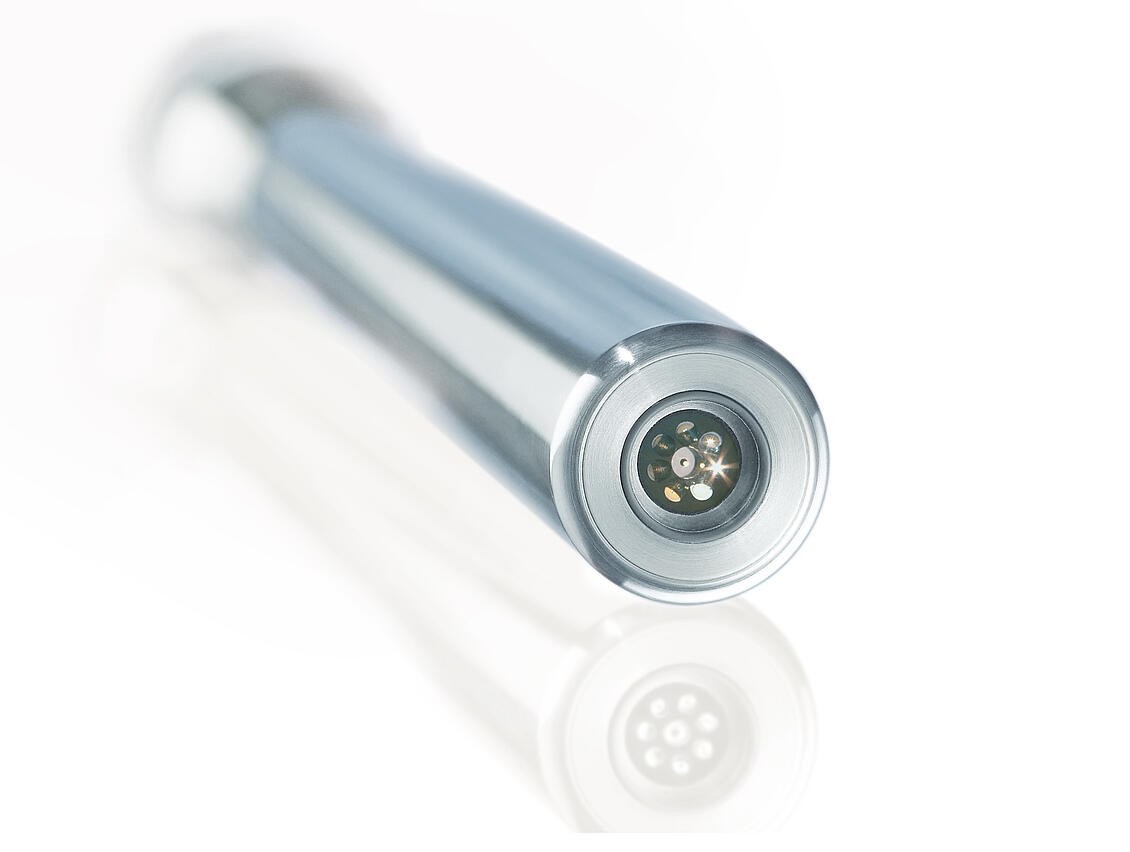
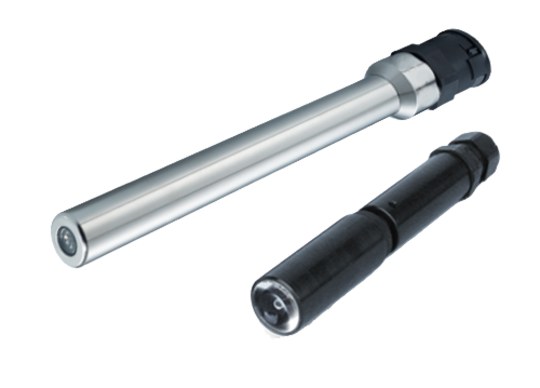
A Gladius XP reflection probe on the side of the reactor measures in contact with the suspension without disturbing its flow. As styrene converts, the transmission falls. The data show when to add dispersant to steer bead growth, and the reaction ends automatically once the beads reach their size. The installation meets ATEX Zone 2 IIB T3.
Result
Up to one hundred polymerization cycles run in the same reactor without cleaning the probe. Ring-shaped illumination fibers keep stray light low, and the hygienic design cleans without disassembly.
Monomer to polymer
Many monomers have a UV signal from their double bonds, and the NIR spectrum follows the conversion. The same approach applies to PMMA, a shatter-resistant alternative to glass, and to PET for beverage and food containers.