Natural raw materials vary
Rapeseed, sunflower, soybean and palm oil change with each harvest. Oils and fats also react with oxygen in the air, so the reaction is measured directly in the closed vessel.
Tough conditions
The probes face up to 245 °C (473 °F), agitator vibration and pressure swings in 24-hour batch operation. Fatty acids, glycerol, propylene glycol, tetra-n-butyl titanate and butanediol must all be monitored to keep contaminants below EU limits.
The setup
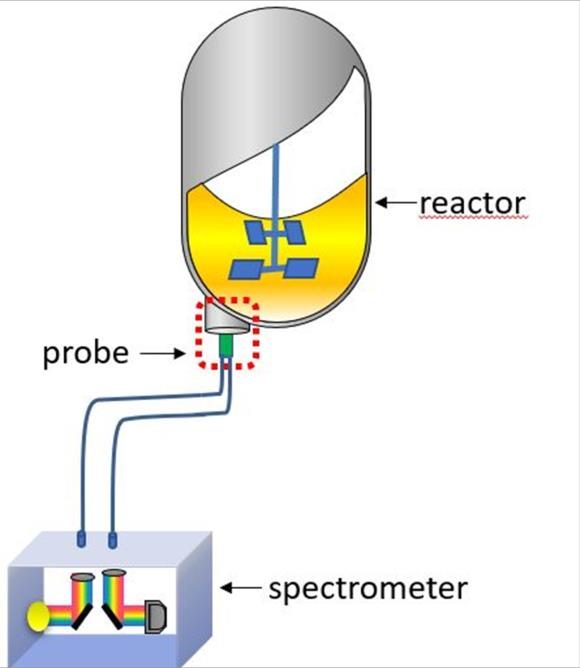
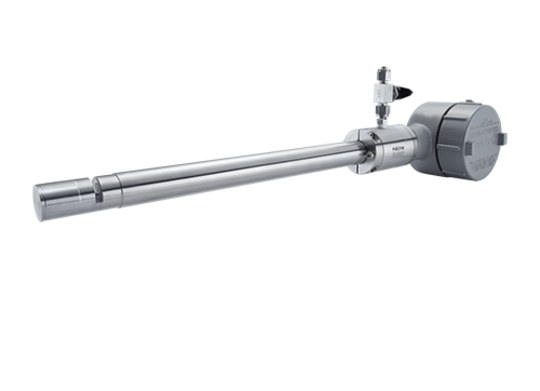
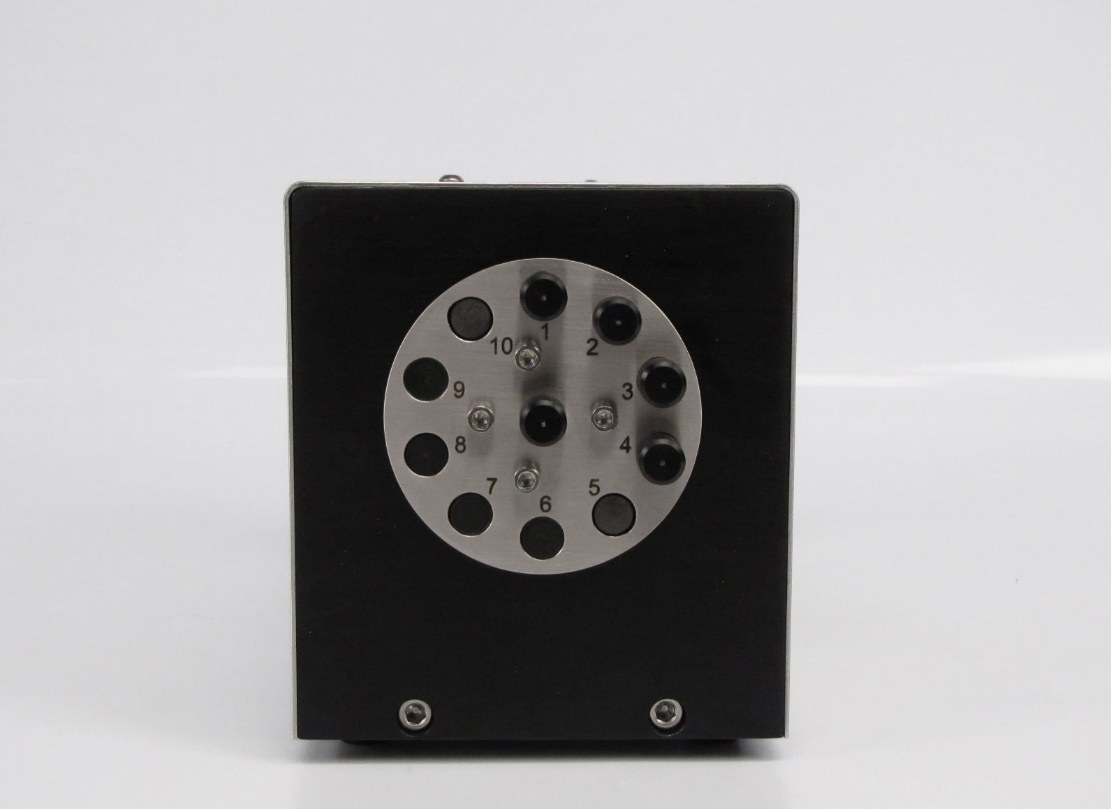
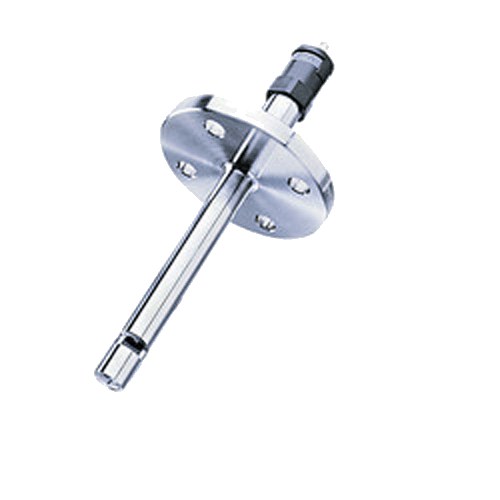
Excalibur HD FPT transmission probes sit directly in the reaction vessels and connect over 30–50 m (98–164 ft) of fiber to one spectrometer through a multiplexer, so acid number and OH number are followed along the whole process chain.
Why the FPT
Hollow light guides instead of glass fibers handle very high and very low temperatures. Gold-coated metal seals and sapphire windows replace elastomers, and a second barrier with a nitrogen charge reduces the risk of leaks, so maintenance intervals get much longer.
Result
Knowing the exact state of the reaction ends batches on time, shortens run times and replaces lab sampling.