Why it is difficult
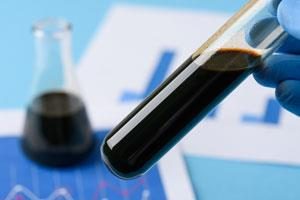
Solids, gas fraction and salinity fluctuate, the oil is viscous and conditions vary widely. Phase-separation methods are often imprecise, lab analysis is slow, and equipment at the pipeline must meet the ATEX directive 2014/34/EU.
How NIR helps
Crude oil and water absorb near-infrared light very differently. The signal comes from the water itself, not the dissolved salts, so water-in-liquid-ratio (WLR) sensors based on an NIR transmission cell work in real time, unaffected by emulsions or salinity, without large phase-separation systems.
Three designs, all metal-sealed
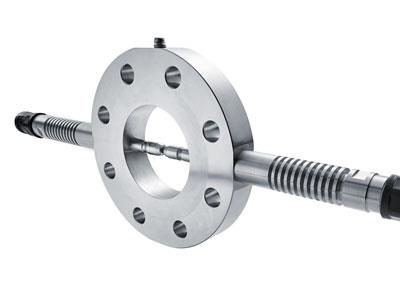
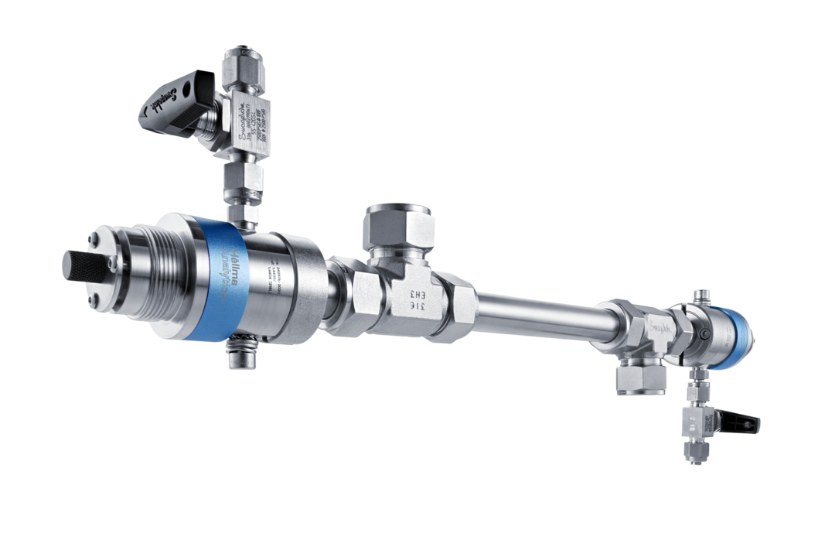
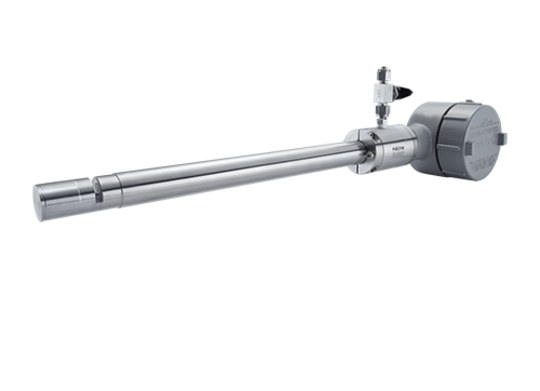
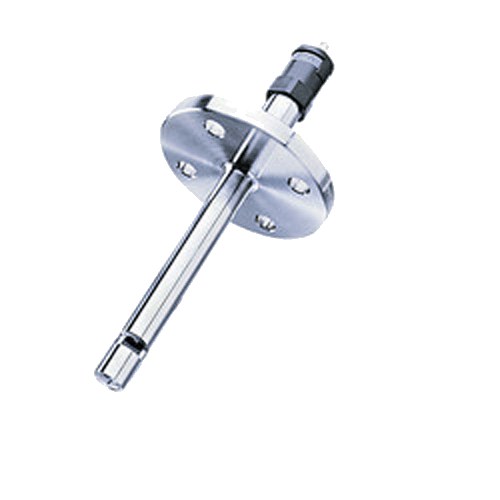
The Excalibur HD Flange cell mounts directly in the main pipeline, and its welded sapphire optics cannot be misadjusted. With CE certification to the Pressure Equipment Directive 2014/68/EU it can go into ATEX zones 1, 2, 21 and 22 and into pressure vessels without acceptance tests. The compact Excalibur HD FCP suits smaller pipes, and the Excalibur HD FPT probe fits an existing flange and adds a second barrier.