Why it matters
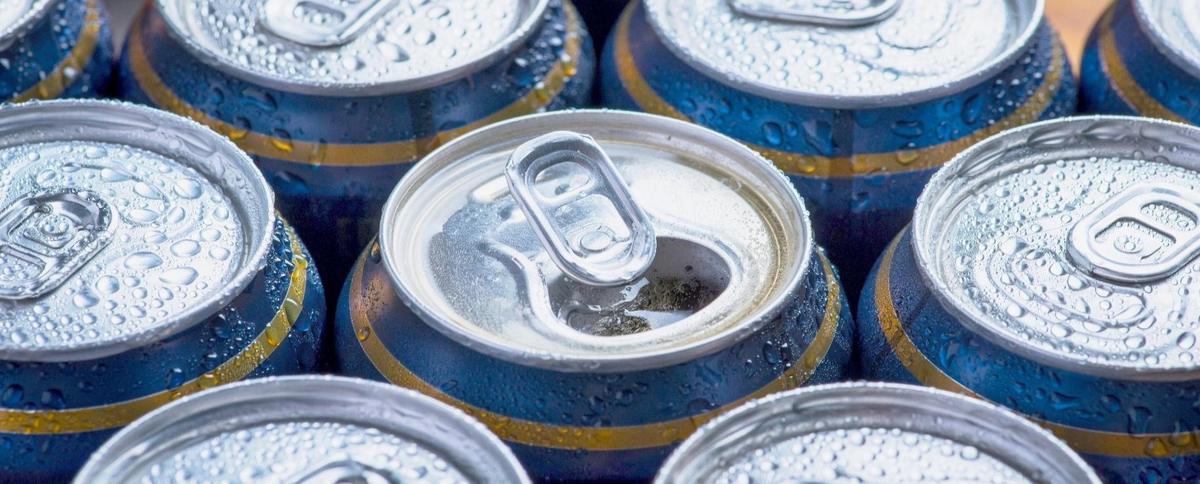
After the European Food Safety Authority's 2023 re-evaluation of bisphenol A, its use in food-contact packaging is banned or restricted in the EU. Only fully converted polymers meet the requirements, so residual monomers such as acrylates and styrenes must be measured during polymerization, continuously and fast.
A sticky medium
The reaction mass is highly viscous and sticky. Polymer can cling to or harden on the window and distort the signal, so the probe has to be cleaned during the process without losing the measurement.
The solution
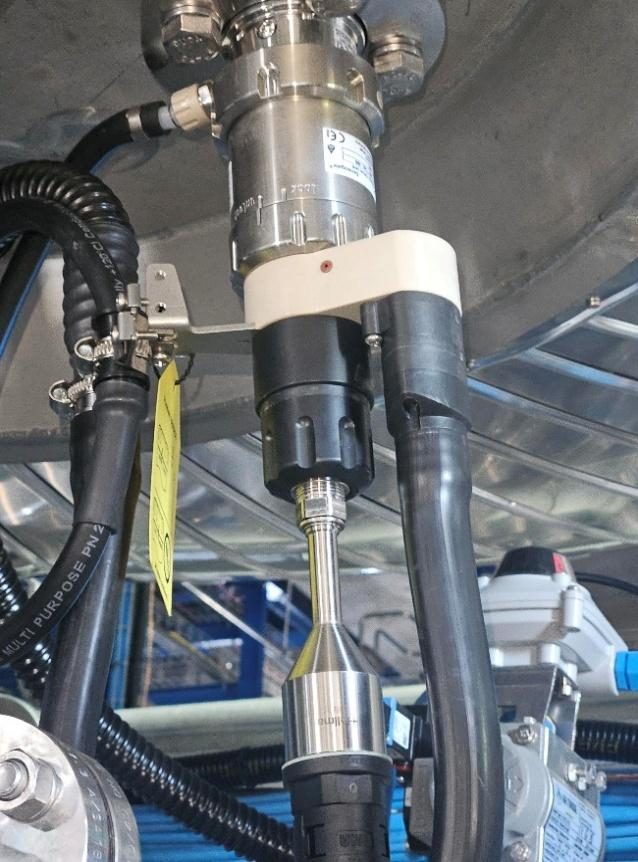
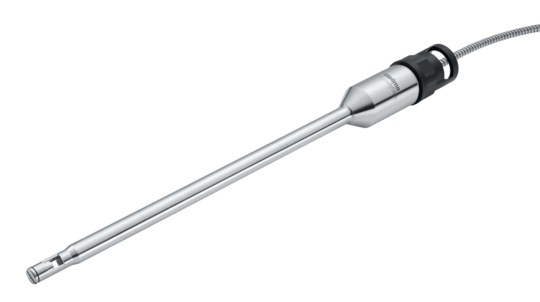
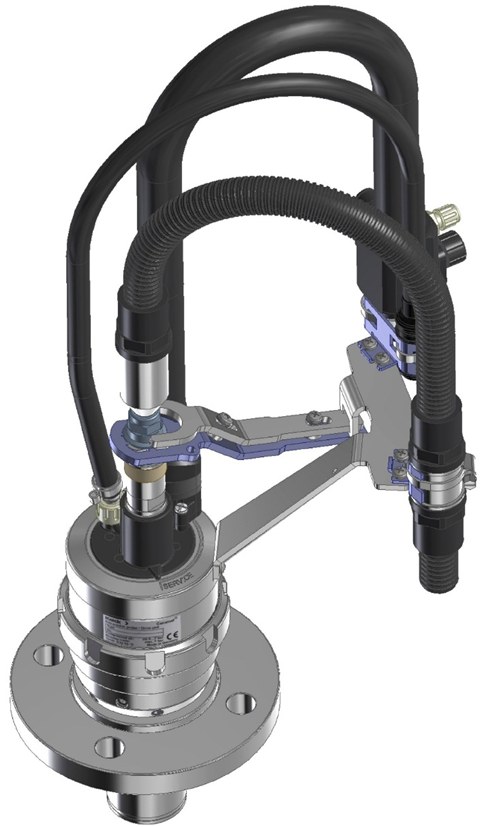
A Falcata XP transflection probe measures the polymerization status in seconds. It sits in a Knick SensoGate retractable housing: in clean-in-place mode the probe is cleaned, referenced, serviced or removed while the process keeps running.
Result
Deviations are caught and corrected immediately, rejects and material losses fall, and product quality stays consistently high.