The challenge
Fermentation is often still followed through growth models, turbidity and other indirect measurements that need manual samples. Fast, interdependent reactions call for real-time measurement that does not disturb the cells.
Measured in the bioreactor
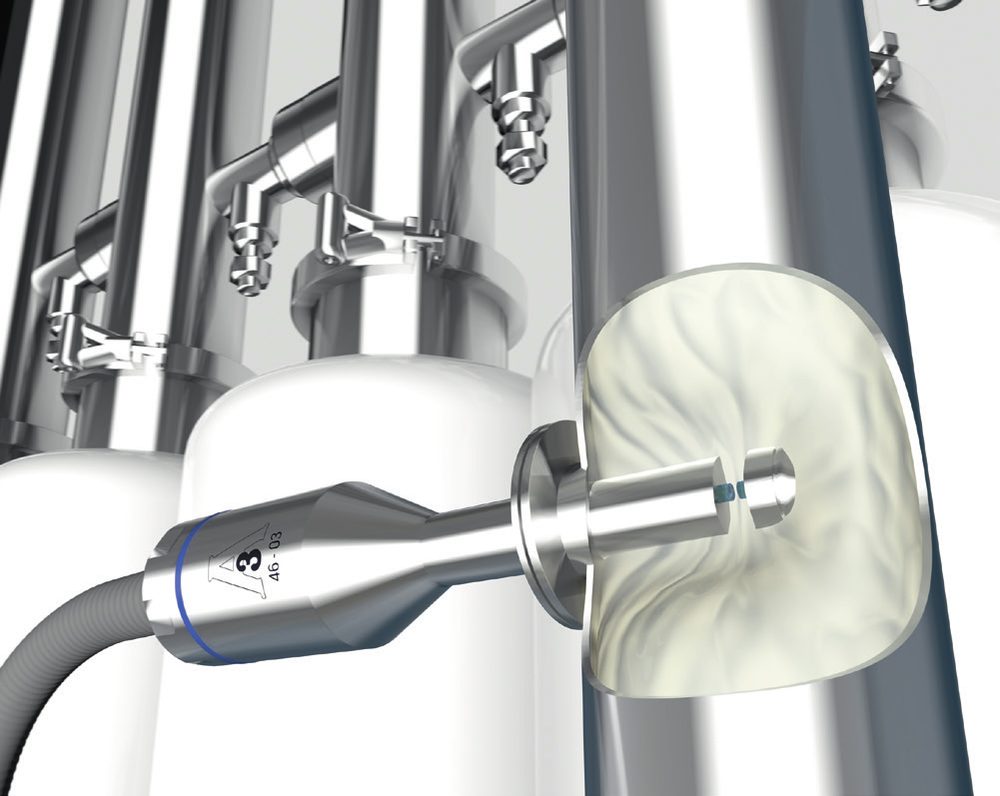
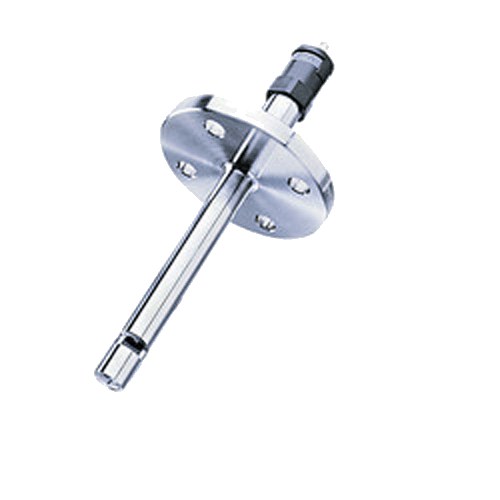
An Excalibur XP 20 immersion probe with a 2 mm (0.08 in) path length sits in the bioreactor and connects through light guides to an NIR spectrometer. It follows nutrients such as glucose that the cells take up and the metabolites they release. The monolithic sapphire head minimizes carryover and adhesion, and a quick-change fitting makes the probe easy to swap for cleaning.
Hygienic option
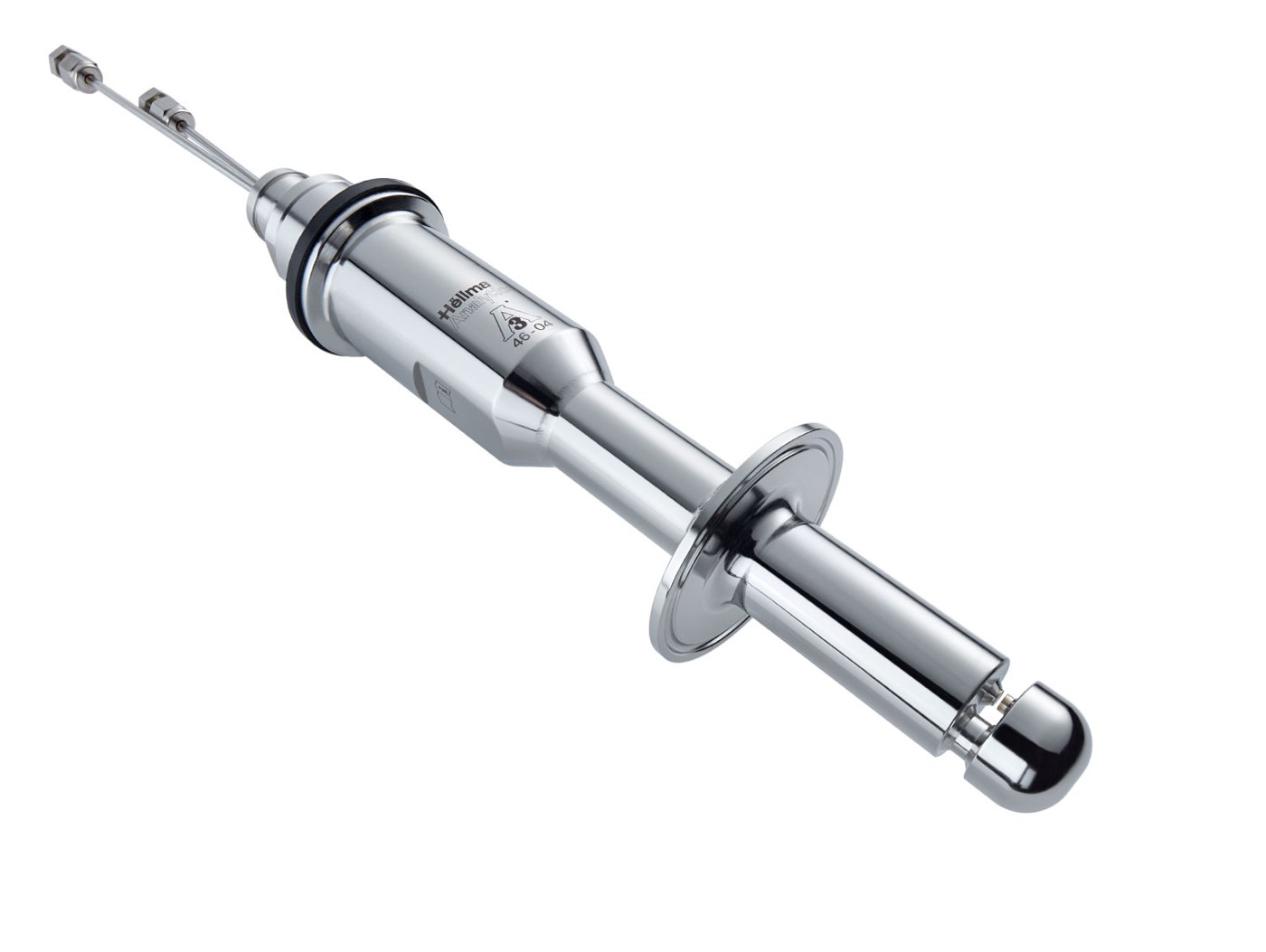
Where deposits and biofouling are a risk, the 3-A certified Excalibur HY 25 has a hemispherical head, no dead volume and only smooth, electropolished surfaces, so germs have nowhere to settle.
More insight
The continuous data feed trend models that predict how the reaction will go. Electrical impedance, which counts living cells, complements the spectroscopy.